


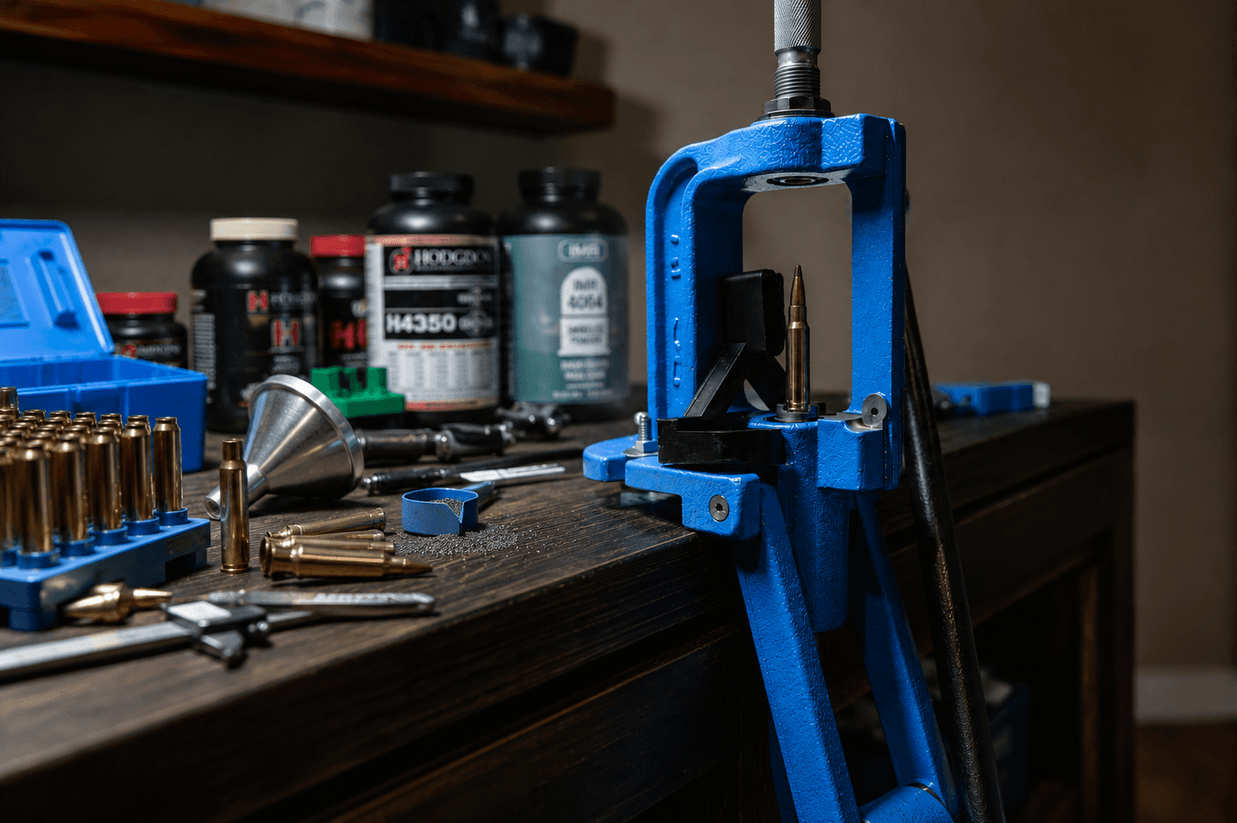
You can find the right equipment, components, and accessories in our Reloading at Hunting Sport section. As a specialist retailer for hunting, shooting sports, and reloading, we have been advising hunters, sport shooters, and reloaders for more than 30 years based on practical, hands-on experience.
Why Reloading Mistakes Can Be Dangerous
Reloading involves assembling a functional cartridge from individual components. Every step in the process must work together precisely. Even small deviations can affect chamber pressure, impair firearm function, or, in the worst case, lead to dangerous situations.
Mistakes involving powder charges, case inspection, die adjustment, and cartridge overall length are particularly critical. An overcharge can result in excessive pressure. An undercharge can also be problematic if the powder does not burn properly or if a bullet becomes lodged in the barrel.
Reloading is not dangerous when it is done carefully, with full attention, and based on verified load data. It becomes dangerous when people improvise, make guesses, or work under time pressure.
The Most Common Reloading Mistakes at a Glance
| Mistake | Possible Consequence | Prevention |
|---|---|---|
| Incorrect Powder Charge | Excessive pressure, malfunction, or a bullet lodged in the barrel | Use only verified load data and check powder charges carefully |
| Damaged Case | Case split, gas leakage, or feeding issues | Inspect every case before loading |
| Incorrect Die Adjustment | Cartridge does not chamber properly or bullet seating is incorrect | Adjust the die carefully and verify with a cartridge gauge |
| Incorrect OAL | Pressure changes or feeding problems | Measure overall length with calipers |
| Untidy Workspace | Mix-ups, incorrect components, or duplicated steps | Keep only one load and one powder on the bench at a time |
| No Final Inspection | Defective cartridges end up in the ammunition box | Inspect every finished cartridge and keep accurate records |
Mistakes with Powder and Load Data
Powder-related mistakes are among the most critical errors beginners make when reloading ammunition. Powder should never be used based on guesswork, assumptions, or isolated recommendations from others. Only verified load data from reliable sources such as manufacturers, reloading manuals, or official databases should be used.
Incorrect Powder Charge
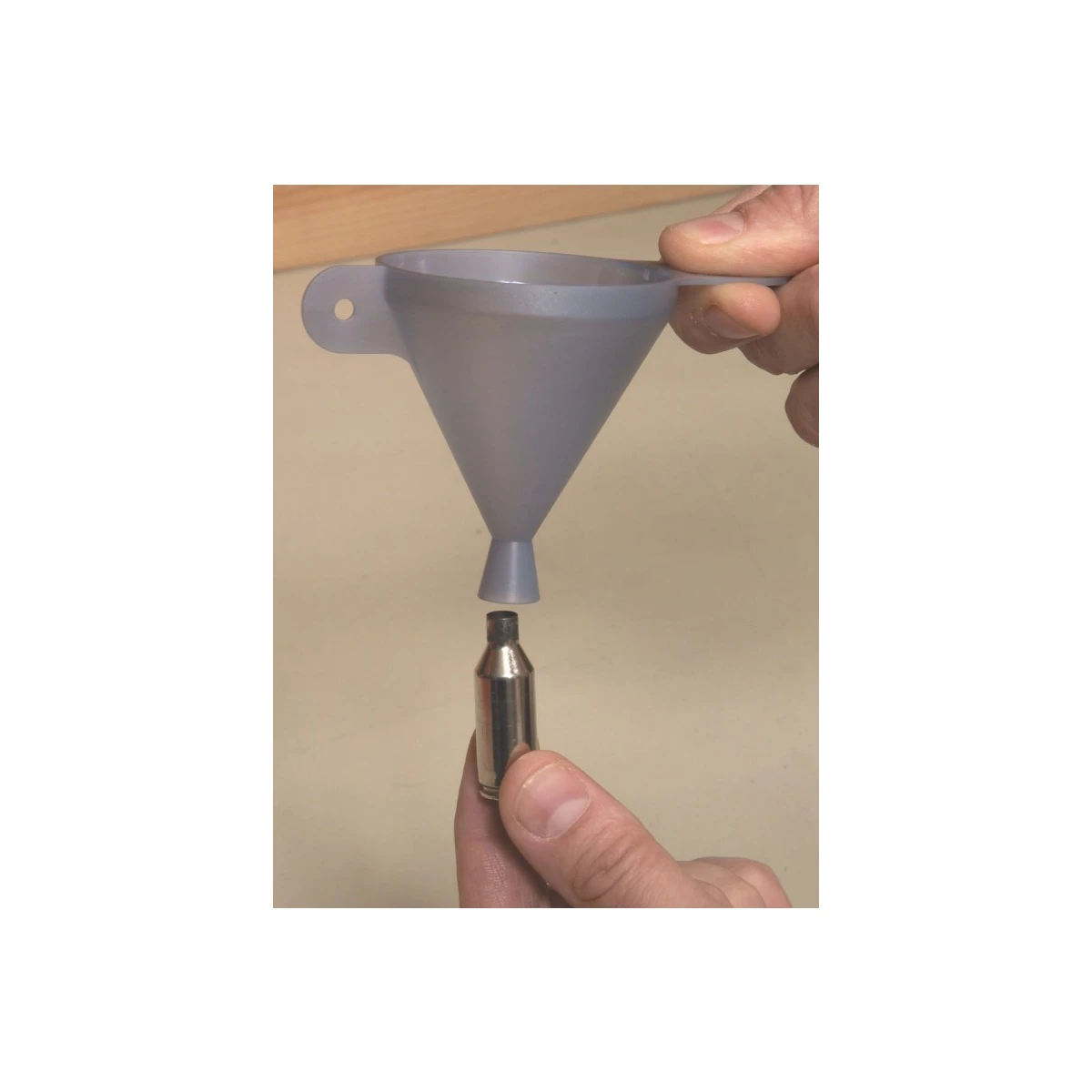
An incorrect powder charge is often caused by mixing things up, an incorrectly set scale, distractions, or repetitive work performed without proper checks. Overcharges, double charges, and using the wrong type of powder are particularly dangerous.
With handgun cartridges, depending on the type of powder used, a double charge may be less obvious visually than it is in large rifle cases. That is why a consistent visual inspection of all cases in the loading block is essential.
Cartridge Overcharge
An overcharge occurs when more powder is added than specified in the verified load data. This can cause chamber pressure to rise significantly. Possible warning signs include a stiff bolt lift, flattened primers, unusually heavy recoil, or noticeable case deformation.
These warning signs should never be ignored. If a load behaves unusually, stop shooting immediately and investigate the cause.
Cartridge Undercharge
An undercharge is not a harmless mistake either. If too little powder is used, combustion may be inconsistent. In the worst case, the bullet can become lodged in the barrel. Firing another round afterward can result in a catastrophic barrel failure.
After an unusually quiet shot, weak recoil, or an unexpected lack of impact on target, the barrel should be checked immediately.
Safe Powder Handling
- use only one type of powder on the bench at a time
- close powder containers immediately after filling
- check and calibrate the powder scale before starting work
- perform regular check weighings
- never use powder of unknown origin
- do not mix or combine load data; use only reliable manufacturer data such as that provided by Hodgdon
- always clearly match the correct primer to the intended load
A quality powder scale is not an accessory when reloading; it is a safety tool. Anyone who wants to dispense powder accurately needs a scale they trust and check regularly so that measurements and verification weighings remain reliable and traceable.
Identifying and Avoiding Case Problems
When reloading, the case is much more than just a container for powder, primers and bullets. It seals the chamber during firing, contains pressure, and is subjected to mechanical stress every time it is fired. A damaged case must not be reused.
Inspecting Cases Before Reloading
Every case should be inspected individually before loading. This is especially important for rifle brass, which is subjected to higher chamber pressures and greater stress during resizing.
- check the case neck for cracks
- inspect the case body for dents and pressure marks
- check the case head for unusual marks
- inspect the primer pocket and flash hole
- measure case length
- sort cases by manufacturer and number of reload cycles
Cracked Cases and Damaged Brass
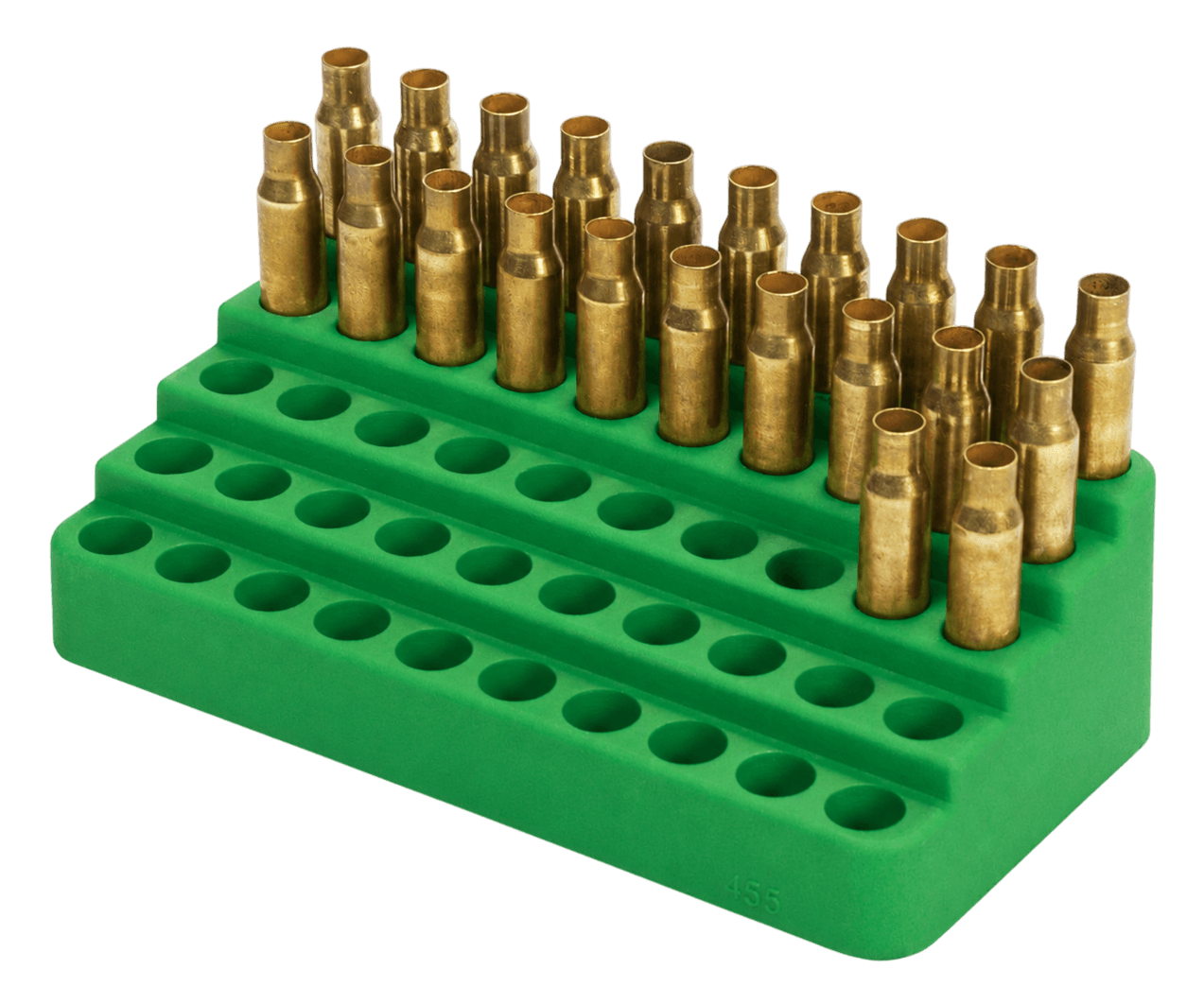
A cracked case is a clear reason for rejection. Cracks at the case neck are especially common in brass that has been reloaded several times. Cases like these should be discarded. Severely deformed, corroded, or unusually expanded cases should also be removed from the reloading process.
Measuring and Trimming Case Length
Rifle cases can lengthen during firing and resizing. If the maximum case length is exceeded, problems can occur during loading or when closing the firearm’s action. That is why measuring case length is an essential part of quality control.
If a case is too long, it should be trimmed to the correct length using a suitable case trimmer and then deburred. This check is especially important for hunting ammunition, where reliable cartridge function in the field is essential.
Suitable components can be found in our Reloading Brass
Setting Dies Correctly
An incorrectly adjusted die is one of the most common reloading mistakes. This mainly affects the sizing die, seating die, and crimp die. Even small setup errors can result in cartridges that do not chamber properly, bullets seated too deeply, or an uneven crimp.
Adjusting the Sizing Die
The sizing die returns a fired case to proper dimensions. With rifle cartridges, the case shoulder is especially important. As a general guideline, shoulder setback is usually around 0.1 to 0.15 mm. Full neck sizing down to the lower neck and shoulder area is important for consistent pressure conditions. If the shoulder is not set back enough, the cartridge may be difficult to chamber. If it is set back too far, the case is placed under unnecessary stress.
After adjustment, always check whether the resized case chambers properly or fits correctly in a cartridge gauge.
Adjusting the Seating Die
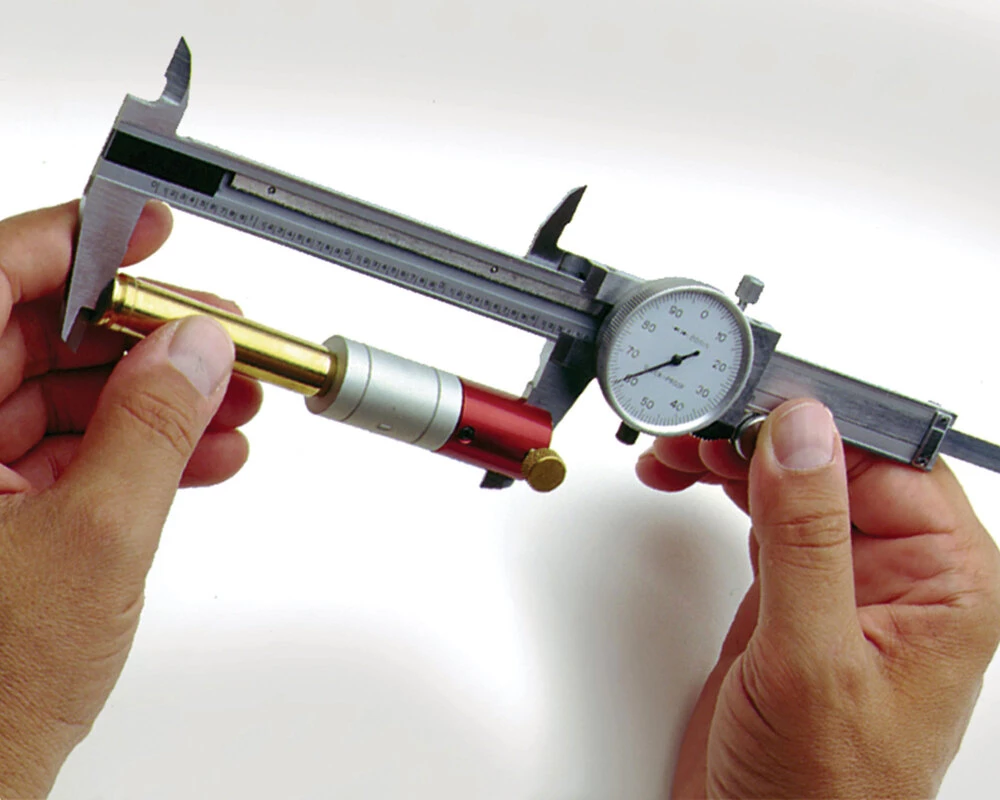
The seating die determines how deeply the bullet is seated in the case. This affects the cartridge’s overall length, also known as OAL, as well as the available internal case volume. A cartridge that is too short can change chamber pressure. A cartridge that is too long can cause feeding problems or contact the lands and grooves.
For this reason, OAL is not estimated but checked with calipers.
Adjusting the Crimp Die
A crimp can be beneficial when cartridges must withstand heavy recoil, magazine pressure, or dynamic feeding, and anyone who wants to apply a proper crimp should fully understand its purpose. Depending on the type of crimp used, the case mouth is formed differently. Too much crimp can deform the case, alter bullet retention, and affect bullet pull. Too little crimp can result in inconsistent bullet seating in certain applications.
When it comes to crimping, the rule is simple: use as much as necessary and as little as possible, as this aspect of reloading must be carefully tuned.
Suitable tools can be found in our Reloading Dies
OAL, Seating Depth and Cartridge Inspection
OAL refers to the cartridge's overall length. It is one of the most important values to monitor during reloading. The correct overall length depends on the caliber, bullet, load data, magazine, and chamber dimensions.
Why OAL Matters
OAL affects feeding, bullet seating, and chamber pressure characteristics. In rifle cartridges, even small loading errors can have a noticeable impact on accuracy and point of impact at longer distances. Careful measurement is especially important with handgun cartridges and rifle loads using long bullets.
- cartridge too short: less internal volume, possible pressure increase
- cartridge too long: potential feeding issues
- inconsistent OAL: inconsistent accuracy
- lack of inspection: problems remain unnoticed until the range
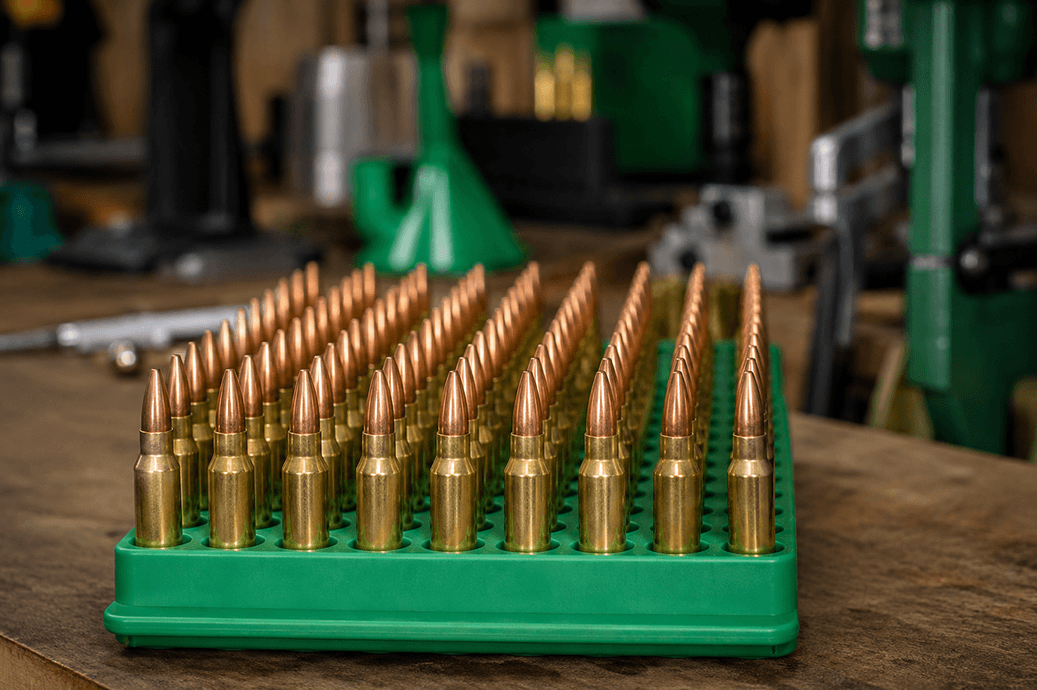
Using Cartridge Gauges and Calipers
A set of calipers is part of the basic reloading toolkit and allows dimensional checks from every angle. In addition, a cartridge gauge is useful for quickly verifying whether finished cartridges meet specification. Especially when loading larger batches for training or competition, a cartridge gauge saves time and helps avoid unpleasant surprises at the range while also revealing dimensional variations in both cases and bullets.
Common Beginner Mistakes in Practice
Many reloading mistakes are not caused by a lack of knowledge but by distractions. Beginners in particular often want to experiment with several variables at once: new bullets, different powder charges, alternative seating depths, or various brass brands. This is exactly where the risk of mistakes increases.
Testing Too Many Variables at Once
Anyone running multiple loads on the bench at the same time can easily mix up powder charges, bullets, or labels. A simple workflow is better: one load, one powder, one bullet, and clear labeling.
Unlabeled Loading Blocks
A loading block without labels is an accident waiting to happen. If work is interrupted, it must be immediately clear what is in the loading block and all relevant information must be readily visible.
Working Under Time Pressure
Reloading is not something to rush. If you are tired, distracted, or talking on the phone while working, you should stop reloading. Nothing should be forced under time pressure. A consistent process is more important than production volume.
Blind Trust in Your Setup
Even if a reloading press has been set up correctly, spot checks are still necessary. Dies can loosen slightly, powder measures can vary, and brass cases can behave differently. A visible bulge on a case is often a warning sign that something is not adjusted correctly.
A Safe Reloading Workspace
A safe workspace significantly reduces the likelihood of mistakes. Good organization, proper lighting, and consistent procedures are more important than having lots of new equipment.
- keep the work surface clean and uncluttered
- only lay out the components you actually need
- use adequate lighting
- store powder and primers separately
- keep load data clearly visible
- document every interruption so the process remains fully traceable
- wear safety glasses
A solid reloading press, properly adjusted dies, and suitable measuring tools form the foundation of safe reloading. Clear procedures are the best way to prevent mix-ups and mistakes.
Checklist: Before Reloading
- Do you have verified load data available?
- Do the powder, bullet, primer, and brass match the load data?
- Has the powder scale been calibrated?
- Is there only one type of powder on the bench?
- Have all cases been inspected and sorted?
- Are the dies adjusted correctly?
- Is the workspace clean and well lit?
Checklist: During Reloading
- check powder levels regularly
- investigate any unusual resistance at the press immediately
- measure OAL regularly
- perform spot checks with the powder scale
- keep completed cartridges separate
- do not skip any steps in the process
- record your progress whenever work is interrupted
Checklist: After Reloading
- visually inspect all cartridges
- spot-check OAL measurements
- use a cartridge gauge
- label the load data clearly
- document load data and test results
- return powder to its original container and store it securely
- do not use any cartridges that appear questionable
Buying Guide: What Equipment Helps Prevent Mistakes?
Good equipment does not replace careful attention to detail, but it does help identify mistakes before they become problems. For beginners, accurate measuring tools and a well-structured workflow are especially important.
| Equipment | Purpose |
|---|---|
| Powder Scale | Verifying powder charges |
| Calipers | Measuring OAL and case length |
| Cartridge Gauge | Quick inspection of finished cartridges |
| Case Trimmer | Correcting overlength cases |
| Loading Block | Clear overview and control of each process step |
| Reloading Manual | Verified load data and safe fundamentals |
For beginners, a well-assembled reloading kit can also be a sensible choice. A tumbler can also be useful for cleaning cases before inspection. The important thing is that the equipment matches your caliber, ammunition volume, and desired level of precision.
Learning to Reload: Why Documentation Is So Important
Anyone who wants to learn reloading should document every load recipe from the very beginning. Record the caliber, case, bullet, powder, powder charge, primer, OAL, crimp, date, and shooting results. Measurements and any changed components should also be recorded carefully.
Good documentation prevents successful load recipes from being lost or mistakes from being repeated. It also helps you track changes clearly. A change of primer or primer type must also be clearly documented. If only one parameter is changed, the result can be evaluated much more accurately later.
Our Step-by-Step Reloading Guide provides a detailed foundation.
A Quick Overview: How to Avoid Common Reloading Mistakes
| Area | Common Mistake | Safe Procedure |
|---|---|---|
| Powder | incorrect powder charge | verified load data and check weighings |
| Case | case split or incorrect length | case inspection and trimming |
| Die | incorrectly adjusted sizing die | adjust step by step and verify |
| Bullet | incorrect seating depth | measure and document OAL |
| Crimp | excessive or inconsistent crimp | adjust carefully and check sample cartridges |
| Work Area | mixing up components | load only one recipe at a time |
FAQ: Reloading Mistakes
Conclusion: Avoiding Reloading Mistakes Requires a Systematic Approach
Reloading mistakes are not avoided through luck, but through consistent procedures. Anyone who inspects every case, checks powder charges, carefully adjusts dies, and measures finished cartridges can significantly reduce the risk of errors.
For beginners, the rule is simple: work slowly, understand every step, and avoid changing too many variables at once. Safety comes from repetition, verification, and honest record-keeping.
At Hunting Sport, you'll find accessories, components, and expert advice for hunting, shooting sports, and reloading. If you're unsure which reloading press or die set is right for getting started, we're happy to help with practical, experience-based guidance.


