


Reloading Powder – Smokeless Powder and Key Differences
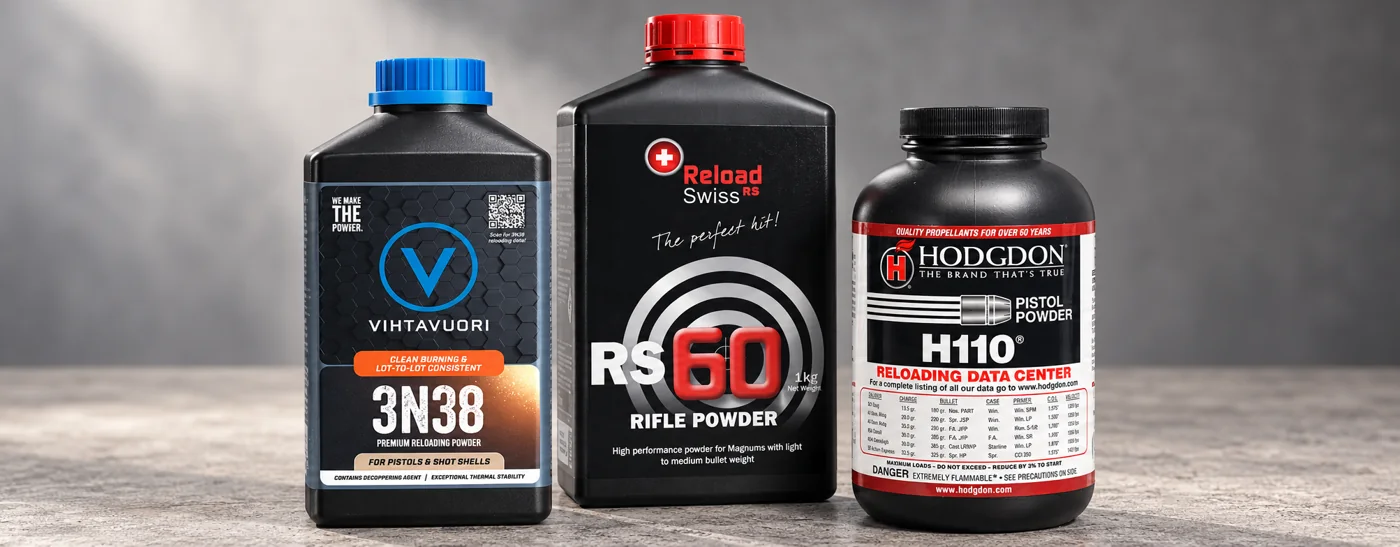
Smokeless powders differ in their composition, grain shape and burn characteristics. Temperature stability and lot-to-lot consistency also matter to reloaders. But what do these terms mean, and which differences are important for hunters and target shooters?
In this guide, you'll learn about the properties of smokeless powders and how selected powders from Vihtavuori, Hodgdon and Reload Swiss differ. We also explain how to read a powder burn rate chart and which information can help you assess different powder types.
What is gunpowder in reloading?
In everyday language, gunpowder is a general term for the various propellants used in firearms. When reloading modern cartridges, the main focus is on nitrocellulose-based smokeless powder, also known as NC powder. You may also come across the terms reloading powder and nitro powder.
When smokeless powder burns, it produces hot gases. These build pressure inside the cartridge, propelling the bullet down the barrel. The powder's properties affect how these gases are generated. Manufacturers therefore distinguish between powder types based on factors such as composition and burn characteristics.
At Hunting Sport, you'll find a wide selection of smokeless reloading powders from well-established brands.
Smokeless powder and black powder are two different types of propellant. Black powder differs significantly from smokeless powder in both its chemical composition and combustion characteristics. The two are not interchangeable. What's more, 'smokeless' does not mean that firing produces no smoke or residue whatsoever.
Single-base and double-base smokeless powder: composition
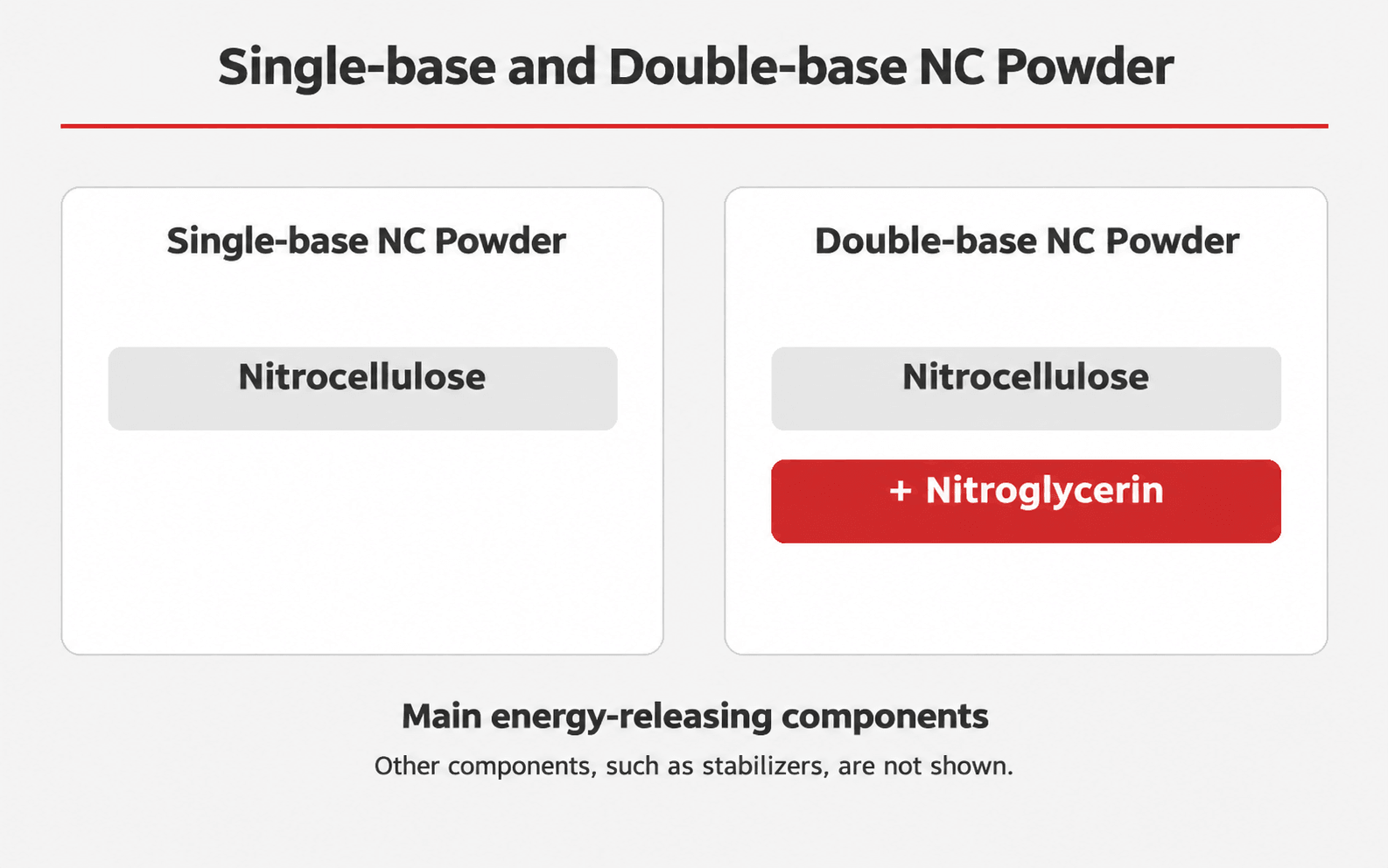
The terms single-base and double-base describe the main energy-producing ingredients in a propellant:
Both types contain other substances, such as stabilisers. Single-base therefore does not mean that a powder consists of just one substance.
Vihtavuori illustrates this distinction with its rifle powders. Alongside the single-base N100 series , the manufacturer offers the N500 series , whose powders also contain nitroglycerine. Vihtavuori calls these high-energy powders. The added nitroglycerine changes their energetic properties.
For reloaders, this classification primarily describes the chemical composition. The behaviour of a particular powder also depends on grain geometry, surface treatment and other aspects of its formulation. Two single-base powders can therefore have very different properties.
|
Powder type |
Chemical composition |
|---|---|
|
Single-base smokeless powder |
Nitrocellulose as the main energy-producing ingredient |
|
Double-base smokeless powder |
Nitrocellulose and additional nitroglycerine as energy-producing ingredients |
Extruded, ball and flake powders
With smokeless powder, the shape of the powder grains is part of the product's design. Together with grain size, it affects the surface area over which the powder burns, influencing gas generation and burn characteristics.
Tubular and extruded powders
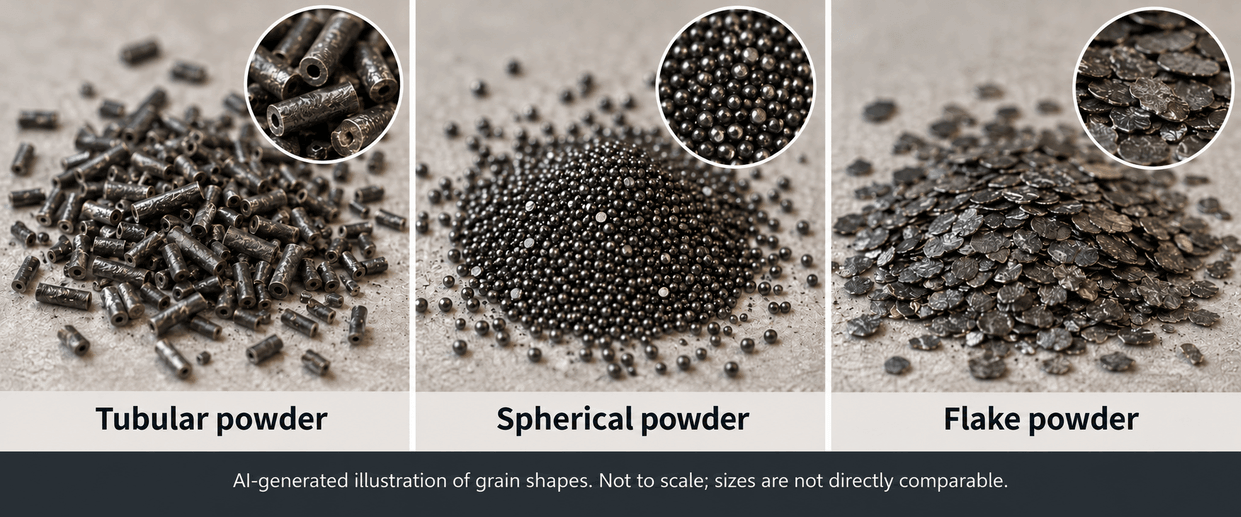
Tubular powder has cylindrical grains that may contain one or more longitudinal perforations. 'Extruded', on the other hand, refers to the manufacturing process in which the powder mixture is forced through a die.
Vihtavuori describes its reloading powders as cylindrical, extruded grains with a central perforation. Differences between powder types arise from factors including dimensions, wall thickness, coating and composition. A similar external shape does not mean that the powders burn at the same rate.
Ball powder and flake powder
Ball powder consists of approximately spherical or flattened grains, while flake powder has thin, flat grains. Both shapes occur in smokeless powders alongside cylindrical grains.
'Ball powder' therefore describes grain shape, while 'double-base' describes chemical composition. Together, these details provide a clearer picture of a particular powder.
Burn rate: what do fast- and slow-burning powders mean?
Burn rate describes how quickly a propellant burns under specific conditions. Pressure plays an important role with smokeless powder: as pressure increases, so does the rate of combustion. A powder therefore has no fixed 'burn time' independent of its surroundings.
When manufacturers describe a powder as fast- or slow-burning, they are comparing its behaviour with other powders. These differences reflect the design of powders for different cartridge applications. Fast- and slow-burning powders therefore serve different requirements.
When comparing powders, it's important to distinguish burn rate from energy content. Chemical composition indicates which ingredients provide energy. Relative burn rate describes another aspect of powder behaviour. The two measures complement one another.
How to read a powder burn rate chart
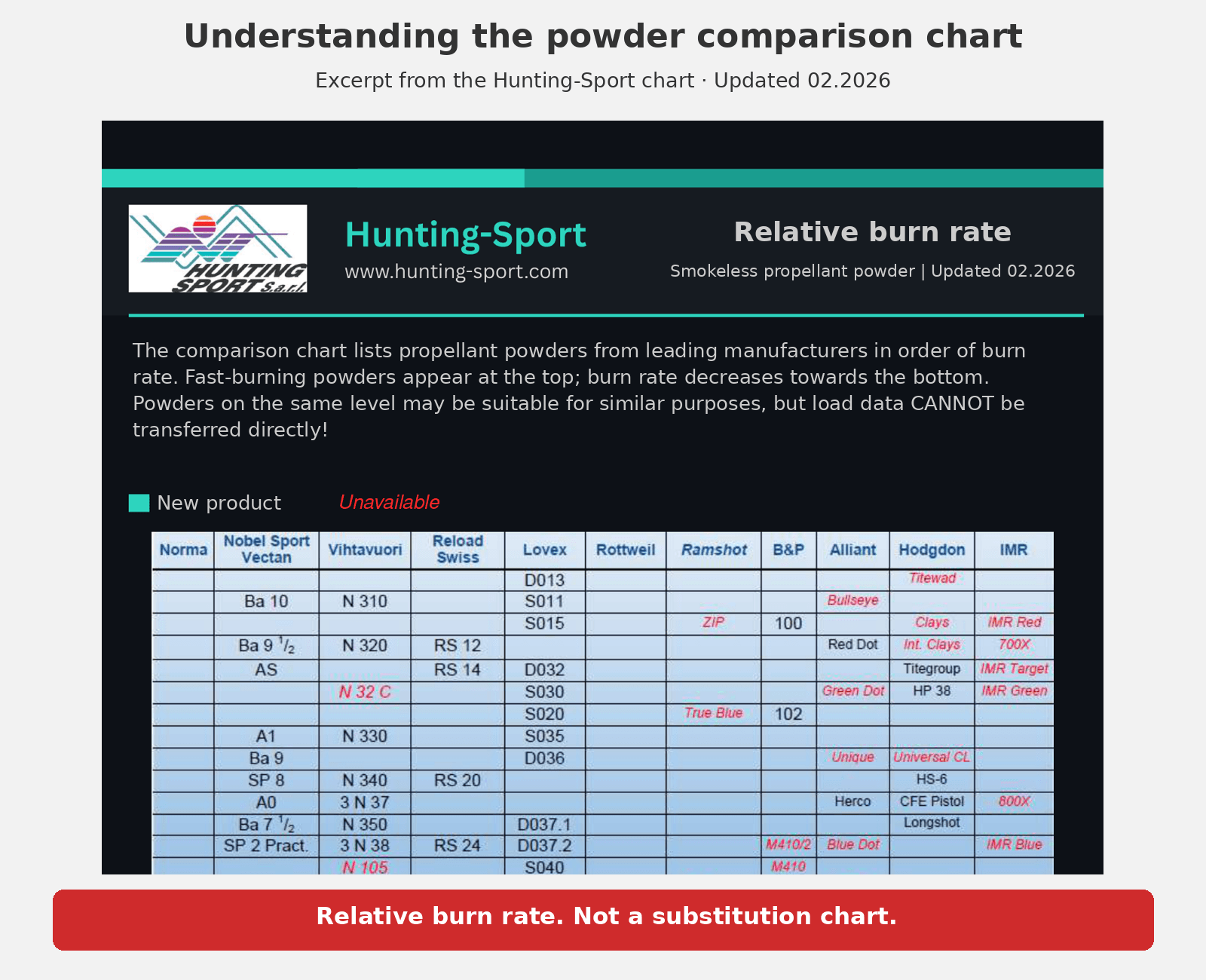
A powder burn rate chart compares powders from different manufacturers according to their approximate relative burn rates. It helps you find different product names in a single overview.
Our powder burn rate chart provides this guidance. However, it does not replace manufacturer information for individual products: neighbouring positions on the chart do not indicate identical formulations or properties.
Powders with similar positions on a chart are not automatically interchangeable. Reloading data must not be transferred between them. Also check the source and publication date of any comparison chart.
Temperature stability of smokeless powder
For propellants, temperature stability describes how little their ballistic performance changes as a result of temperature variations. Different powder temperatures can affect chamber pressure and bullet velocity. This characteristic therefore directly influences how ammunition performs when fired.
For hunters and target shooters, the relevance is easy to see: ammunition can reach very different temperatures at a summer shooting range and during a winter hunt from a hide. What matters is the temperature of the ammunition itself, which may not match the current air temperature.
Vihtavuori highlights temperature stability as a feature of its powders. Hodgdon also describes low temperature sensitivity for products including its Extreme powders. Such claims relate to the specific products or ranges concerned and do not establish an overall ranking of every powder made by a brand.
The manufacturer's storage instructions still apply. A powder described as temperature-stable must not be exposed to excessive heat or direct sunlight.
Lot-to-lot consistency: uniform properties across production batches
For reloading powder, lot-to-lot consistency means that different production batches of the same powder should have properties that are as uniform as possible. A lot is a defined quantity produced in one manufacturing batch. The lot number on the packaging identifies it.
Vihtavuori explains, for example, that new production lots are checked against previous lots using specified requirements for grain geometry, chemical composition and performance.
This illustrates the difference between powder type and production lot: the product name identifies the powder type, while the lot number identifies a particular production batch. Claims about lot-to-lot consistency therefore concern the uniformity of the same product across multiple production runs.
The difference between clean burning and copper fouling
Clean-burning smokeless powder primarily refers to the powder and combustion residues left behind after firing. Copper fouling in the barrel, by contrast, comes from copper-containing bullets or bullet jackets.
Vihtavuori describes both clean-burning properties and additives designed to reduce copper deposits. Hodgdon uses the designation CFE, short for 'Copper Fouling Eraser', for relevant products.
These are two different characteristics: reduced powder residue and reduced copper fouling. The term 'clean-burning' should therefore not be used as a catch-all for every type of barrel fouling. Such additives do not eliminate the need for gun cleaning either.
Vihtavuori, Hodgdon and Reload Swiss compared
The three brands offer different powder ranges. The following overview compares identifiable features from their product descriptions. It is not an independent performance test of the ranges.

Vihtavuori
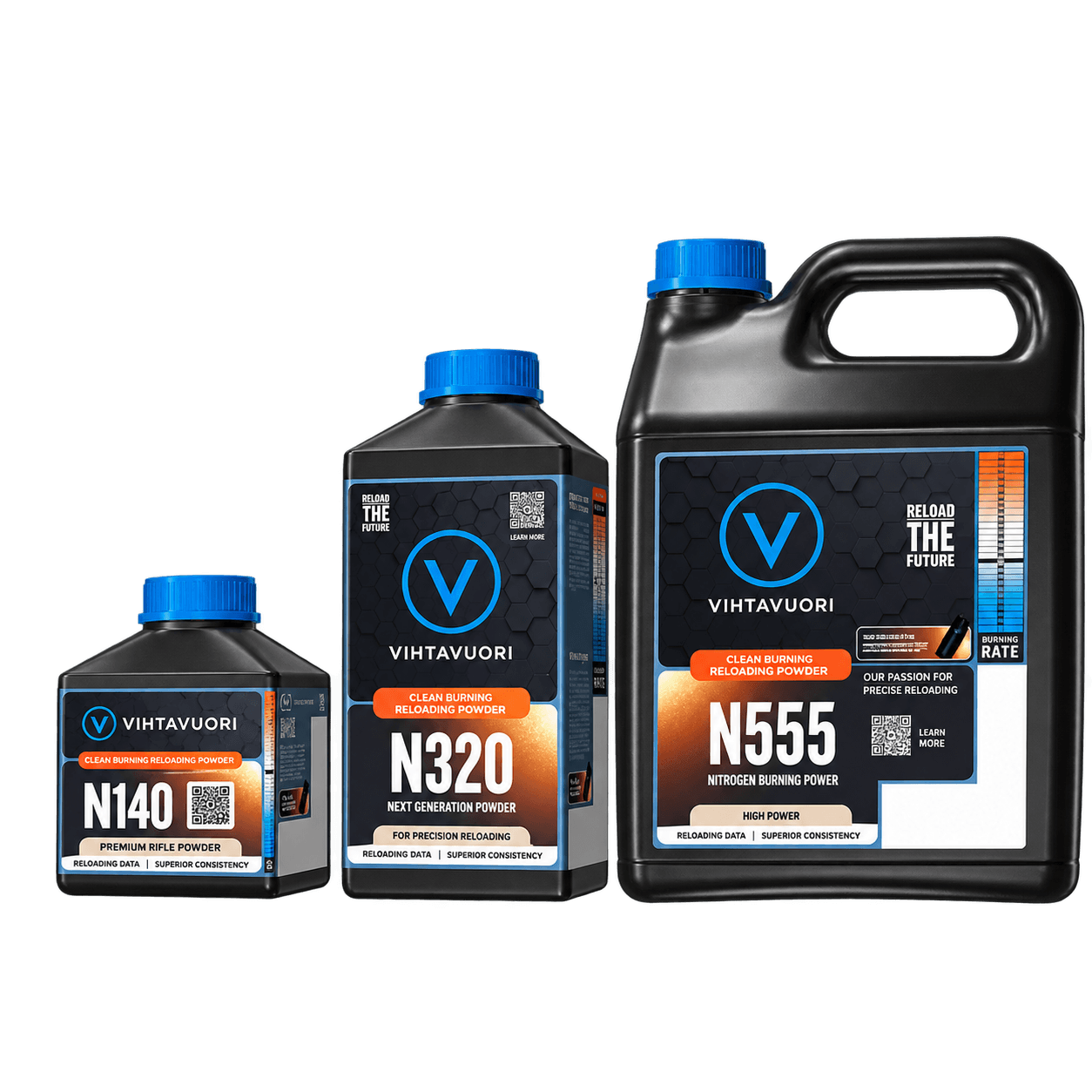
Specific features of the powder range
Single-base N100 rifle powders and N500 high-energy powders containing additional nitroglycerine
What the names tell you
The ranges differ in their chemical composition.

Hodgdon
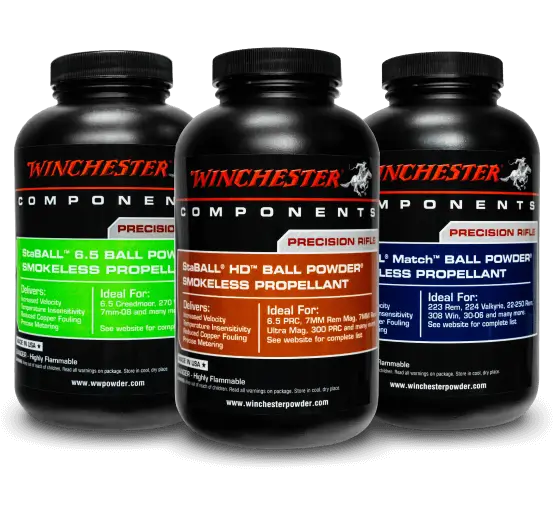
Specific features of the powder range
Including the Extreme range and products bearing the CFE designation
What the names tell you
Extreme refers to a product range that emphasises temperature-related properties. CFE denotes technology designed to reduce copper fouling.

Reload Swiss
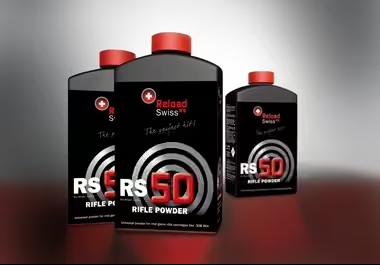
Specific features of the powder range
Extruded smokeless powders such as RS50 and nitroglycerine-impregnated powders such as RS52
What the names tell you
RS50 and RS52 demonstrate that even similarly named powders from the same brand can have different formulations. The manufacturer describes RS50 as having a camphor surface treatment and RS52 as being impregnated with nitroglycerine.
This comparison also shows why individual terms cannot simply be weighed against one another: 'High Energy' highlights a different characteristic from 'CFE'. A powder may have several such properties.
When comparing manufacturer information, you should compare the same characteristics of the same products. A statement about temperature stability, for example, tells you nothing about grain shape. Equally, a missing detail in a short product description does not necessarily indicate a disadvantage.
What role do calibre, hunting and target shooting play?
A calibre designation or the label 'for hunting' is not enough on its own to assess a powder. Manufacturers distinguish between different cartridge applications within their ranges. Information about specific uses should therefore always be taken from the documentation for the product concerned.
For this overview, the distinctions explained above are most relevant. When reading product descriptions, you can now assess chemical composition, grain shape, temperature-related properties and other features separately. Specific applications must be based on current, tested manufacturer documentation.
Price and availability also matter when buying powder. When comparing different pack sizes, check the price per kilogram.
Labelling and storage
Keep gunpowder in its clearly labelled original packaging and follow the manufacturer's instructions and local regulations. Different powders must never be mixed. Do not use unidentified or unlabelled powder.
The label on the original container is essential for identification. Similar-looking grains cannot reliably identify a particular powder.
Frequently asked questions about gunpowder and smokeless powder
Does double-base powder also contain nitrocellulose?
Yes. Double-base smokeless powder contains nitrocellulose as well as nitroglycerine as an energy-producing ingredient. The term NC powder is therefore not limited to single-base powders.
Can powders from different manufacturers be compared by their product numbers?
Product numbers are part of each manufacturer's own naming system. Similar numbers from two brands do not mean that the powders have the same composition or burn characteristics. The specifications of each individual powder are what matter.
What is the difference between temperature stability and lot-to-lot consistency?
Temperature stability concerns changes in powder performance at different temperatures. Lot-to-lot consistency describes how uniform different production batches of the same powder are.
How does a powder burn rate chart differ from a product description?
A chart arranged by burn rate provides a general overview of the relative ranking of powders. A product description may also explain composition, grain shape and other properties. Neither serves the same purpose as tested reloading data.
Buy reloading powder at Hunting Sport

Explore our range of reloading powders, along with suitable equipment and components for your reloading bench.
If you have questions about our range or are unsure what a product designation means, we will be happy to offer personal advice. We also take the time to help you at our shop in Stadtbredimus.
Discover the complete range of equipment for reloading at Hunting Sport.
Shop reloading powdersFurther information
- Reload Swiss: product data sheets RS50 and RS52
- Hunting Sport: powder burn rate chart


